By Aromo Agnes
Gulu | Condoms are now available in at least seven public places (hotspots) in Gulu district. Each hotspot gets five boxes per week. Each box contains a hundred condoms.
Twenty thousand pieces of condoms are available monthly for use by women and youth across selected areas in Gulu district.
tndNews has learnt that dozens of women in Gulu district choose these [male] condoms for their husbands as a way to control birth rates.
These women have taken the bold step of going to public places like health clinics and markets. Some people approach village peer leaders to collect condoms.
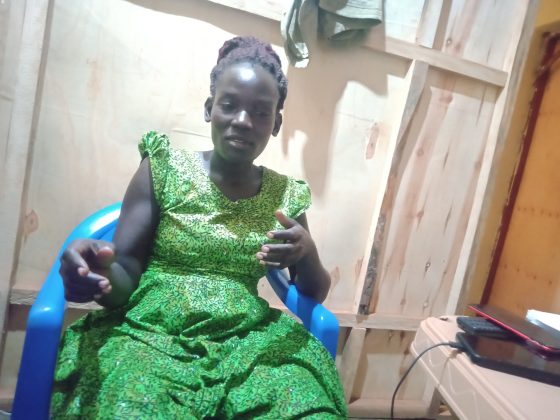
“I pick many condoms every month for my husband because he is usually shy about picking condoms, but when I bring them home, he appreciates me, uses them, and asks for more,” Eunice Akello, not her real name, says.
Alice Adongping, a Gulu district youth leader, confirms that women take the majority of male condoms in public places for their husbands.
According to her, the location of the health centres and other public places scared off male youth in her district from collecting condoms.
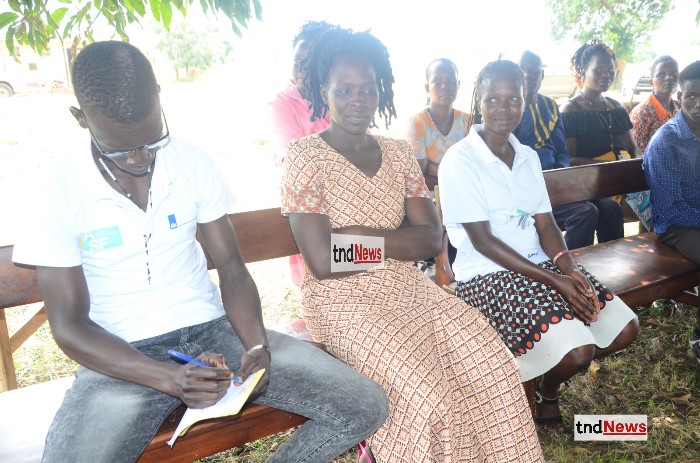
However, since the establishment of pick-up points in markets, youth corners within health care facilities, and the formation of youth peer leaders, youth and women have begun to pick condoms in large numbers.
Charles Lubangakene, a Gulu district youth, says he prefers to get condoms from a hospital rather than from his community peers because most of them do not keep secrets.
“To pick condoms from the trading centre is very difficult because our parents also do business there, so most youth will be uncomfortable picking them, and many people will be looking at them because it is a public place,” Lubangakene explains.
Caroline Laker, a mother of three from Piacho sub-county, reveals that her number one priority is to protect her and her husband’s lives.
She tells tndNews that it was difficult to use a condom until she forced herself and her husband to do so. The couple had a negative attitude towards condoms, believing that they caused cancer.
Allan Raymond Ayella remains concerned about some young people who do not understand the importance of using condoms to protect themselves from sexually transmitted diseases and as a method of family planning.
Ayella claims that due to a lack of sexual education, the majority of young people in rural areas dislike using condoms.
He urges the government to establish more youth centres where young people can express their concerns and learn about sexual rights and education.
Ayella also wants young people to be informed and take responsibility for their blood status.
Patience Babirye Gloria, Make-Way’s youth representative, in collaboration with Akina Mama Wa Afrika, a youth health organisation in Gulu, encourages youth to actively advocate for their rights and make the most of their lives by using family planning, condoms, and accessing reproductive health information at their local health centres.
Also read: Gulu RCC Amongin threatens to close health centre as open defecation grows
According to James Oringa, centre manager for the Straight Talk Foundation in Gulu, many young people still lack self-awareness about their health status, leaving a significant gap in the community’s understanding of their health.
“Although Make-Way, in collaboration with Akina Mama Wa Afrika, trained some youth to assist and influence their peers in changing their attitudes towards their health, as well as the establishment of a youth corner, this assistance was insufficient.
“I appeal to the government to help rural youth learn about their sexual and reproductive rights,” Oringa says.
Beatrice Acan, senior nursing officer at Awach Health Centre IV, applauds the Make-Way organization’s efforts and explains how the project is assisting many young people in changing their minds and seeking sexual reproductive information rights and health services.
According to peer leaders in the Gulu district, condoms are completed faster in markets and communities with peers than in health centres.
Every February 13, Intentional Condom Day is observed to raise awareness among the public about the importance and effectiveness of using condoms to protect against HIV and other sexually transmitted infections.
35 percent of Ugandans between the ages of 25 and 29 used condoms as of February 2023. Women in their 24s and 25s were also condom users.
“We want to reemphasise the importance of condoms, which are currently one of the cheapest and most affordable tools for preventing HIV and other STIs, as well as preventing early pregnancies,” Martha Mbabazi, project coordinator of the AIDS Healthcare Foundation, stated last year.
Discover more from tndNews, Uganda
Subscribe to get the latest posts sent to your email.