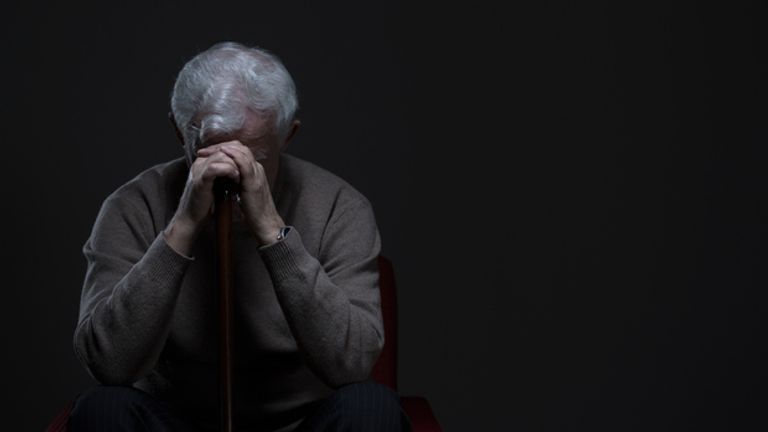
Pader | The death of a 70-year-old man in Pader district has sparked renewed concern about the silent emotional struggles many older people face and the need for communities to strengthen support systems for those experiencing personal and domestic challenges.
Nyeko Wilfred, a resident of Lalworo village in Paicho sub-county, Gulu district, was found dead inside a house in Atyaka ward, Angagura sub-county in Pader district, where he had reportedly been living with his partner for about one and a half years.
According to police reports, Nyeko had recently separated from his partner following domestic misunderstandings. He reportedly left the home and stayed with relatives for about a week before returning on the morning of June 16.
Residents say concern arose after he locked himself inside the house and failed to respond to repeated calls. The matter was reported to local leaders, who mobilised community members before forcing entry into the house.
Layoo Alfred, the LC I chairperson of Atyaka Ward, said local leaders were alerted after attempts to communicate with Nyeko proved unsuccessful.
“When we received the information from community members, we responded immediately. Unfortunately, when the door was opened, he was found dead. We informed the police to handle the matter according to the law,” Layoo said.
Police later visited the scene and commenced investigations. The Aswa East Regional Police spokesperson, IP Oloya Joe, confirmed that a case of suspected suicide was registered and that homicide detectives documented the scene before transferring the body for a postmortem examination.
“Investigations are ongoing to establish the exact circumstances surrounding the death. We have recorded statements from relevant witnesses and are awaiting the postmortem findings,” Oloya said.
While the investigation will determine the precise cause of death, the incident has raised broader questions about mental health, loneliness, and the growing emotional pressures facing many people, particularly older men.
Across Uganda, conversations about mental health often focus on young people and women. Yet experts say older men are among the most vulnerable groups when it comes to emotional isolation.
Many elderly individuals face challenges associated with aging, declining health, loss of income, bereavement, family disputes, and changing social relationships.
In many cases, they suffer quietly because cultural expectations discourage men from openly discussing emotional pain.
Community development practitioners warn that relationship conflicts can significantly affect older people who depend heavily on companionship and social support.
Okello James P’Okidi, the Kitgum district community development officer, recently in a community meeting in Lagoro sub county in Kitgum district says many tragedies could be prevented if individuals sought guidance and counselling before making life-altering decisions.
“When people face domestic disagreements, emotional distress, or social challenges, they should seek advice from religious leaders, family members, elders, counsellors, and other trusted community members,” P’Okidi said.
He noted that isolation often worsens personal problems because individuals may begin to believe they have no one to turn to.
“Every problem has a solution. Communities must encourage open conversations and ensure that those facing difficulties know they are not alone,” he added.
Mental health advocates say warning signs of emotional distress can include prolonged sadness, withdrawal from social activities, hopelessness, unusual silence, and loss of interest in daily routines.
Unfortunately, many of these signs go unnoticed in rural communities where mental health services remain limited and stigma surrounding emotional struggles persists.
Local leaders say strengthening community support structures is critical.
Religious institutions, cultural leaders, village health teams, local councils, and family networks often serve as the first line of support for people facing emotional and psychological challenges.
Their role becomes even more important in areas where access to professional counselling services is limited.
Police have also urged members of the public to seek help whenever they encounter overwhelming personal, social, or domestic challenges.
“We encourage individuals experiencing difficulties to reach out to family members, community leaders, religious leaders, or qualified professionals for support,” Oloya said.
As communities continue to mourn lives lost under tragic circumstances, the death of Nyeko Wilfred serves as a painful reminder that emotional suffering is often hidden from public view.
Behind many smiles are silent struggles. Behind many closed doors are burdens that others may never see.
For families, neighbours, leaders, and institutions, the lesson is clear: listening, checking in, and offering support can sometimes make the difference between despair and hope.
In a society where people are often expected to endure hardship quietly, creating spaces for open conversation may be one of the most important steps toward preventing future tragedies.
Discover more from tndNews, Uganda
Subscribe to get the latest posts sent to your email.