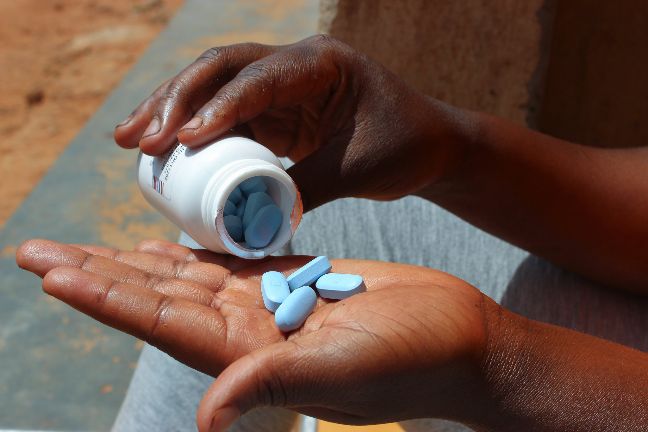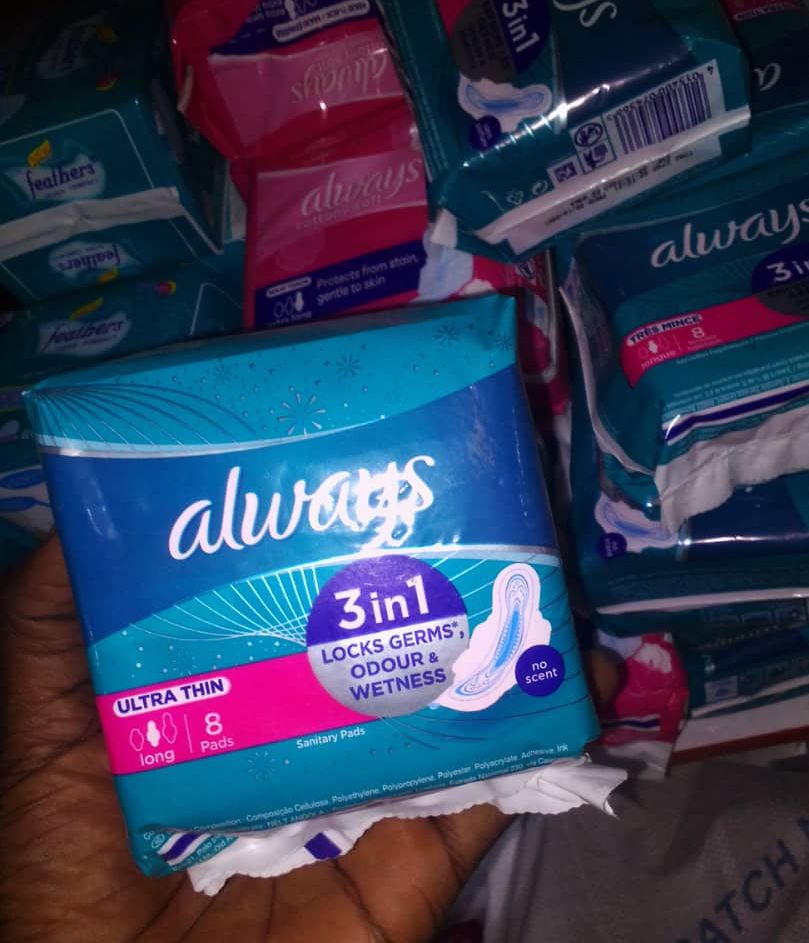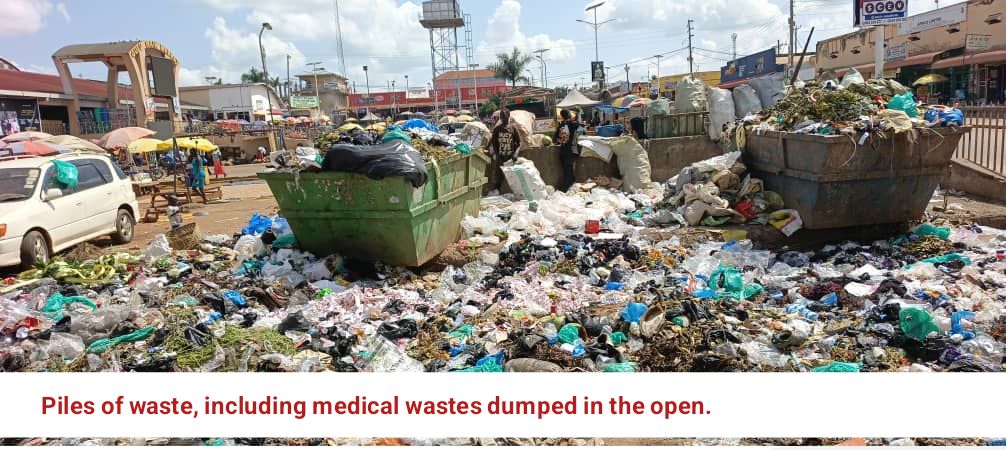
Gulu, Uganda | Under the cover of darkness, trucks rumble out of Gulu City toward quiet villages in neighboring Omoro district. Their cargo: heaps of mixed garbage, including toxic medical waste dumped into open pits near schools, water sources, and homes.
For residents of Abuga sub-county, the practice has turned daily life into a struggle against invisible poisons.
Local leaders accuse Gulu City of illegally dumping medical waste in villages despite community objections. Findings by tndNews, Uganda reveal dumping sites in Abuga and Okucce villages have been active since August, dangerously close to streams and springs that serve as primary water sources.
“We now fear that these medical wastes may result in a very serious health problem, especially for our children who play at the site and the community members who use the nearby water point,” said John Moro, LC1 chairperson of Abuga village.
An open barrow pit in Abuga village, near Abuga Primary School, has received waste from Bardege-Layibi Division for at least three months. Residents describe children scavenging through heaps for plastic bottles, foul stench, and unsegregated trash including used medical supplies.
A visit to two dumping sites revealed examination papers from Gulu University and medical receipts from health facilities in Lacor and Layibi.

The treaty Uganda won’t ratify
Uganda signed the Bamako Convention against illegal dumping of hazardous waste in 1991—one of the first African countries to do so. Thirty-four years later, it has yet to ratify the treaty.
That failure leaves communities like Abuga without recourse. Without ratification, Uganda has no formal obligation to report medical waste generation and disposal to the Convention’s Regional Coordination and Harmonization Mechanism. There is limited accountability, no access to technical assistance, and no capacity building on hazardous medical waste management.
Environmental activists say ratification could change everything.
The Convention would require Uganda to designate authorities with clear mandates for medical waste, establish monitoring and enforcement systems, and create legal frameworks prohibiting hazardous waste dumping. Article 13 would mandate public reporting, forcing officials to document waste generation, track disposal methods, and report on infectious and pharmaceutical waste.
City officials acknowledge problems but offer little reassurance. Patrick Ogwang, Bardege-Layibi Environmental Health Officer, confirmed waste had been illegally dumped and said resolutions were reached during a joint meeting with community members. He admitted he had not followed up recently.
Bardege-Layibi Division Mayor Patrick Oola Lumumba attributed the dumping to ongoing refurbishment of Gulu City’s landfill. “We were asked to look for alternative places where we can dump our wastes for the moment, and Abuga was part of it.”
He denied knowledge of medical waste being dumped, arguing health facilities are responsible for incinerating their own hazardous waste.
A hospital overwhelmed

The controversy in Abuga is part of a wider medical waste crisis across the Acholi sub-region. Gulu Regional Referral Hospital, which hosts one of northern Uganda’s largest incinerators, has been forced to absorb waste from numerous health facilities, stretching capacity far beyond design limits.
The facility generates about 500 kilograms of waste daily but can only burn 250 to 300 kilograms, according to Komakech Paul Ochaya, the hospital’s incinerator waste manager. “About 150 kilograms remain, and some types of waste like needles and bottles cannot be burned at all.”
William warned the hospital’s incinerator was poorly constructed, with a low chimney that fails to disperse toxic smoke safely. “This exposes people to airborne diseases. The stench worsens during rainfall.”
The impact extends beyond hospital walls. Food vendors near the facility report declining business as customers avoid the area. A 37-year-old single mother who once sold chapatis by the roadside said smoke from the incinerator drove her away.
“The hospital is supposed to heal patients, but people are silently getting sick from this toxic smoke,” she said.
Laws without enforcement
Uganda’s legal framework on waste management places clear obligations on both local governments and health facilities. The National Environment Act, 2019, and the accompanying Waste Management Regulations require waste to be segregated, safely transported, treated, and disposed of in a manner that does not endanger human health or the environment.
Healthcare facilities are expected to follow the National Healthcare Waste Management Guidelines, which mandate segregation at source, use of appropriate incinerators, and proper disposal of residues such as ash.
Local governments, including city authorities, are responsible for ensuring that waste disposal sites are approved, environmentally safe, and operated transparently. Dumping waste in unauthorized locations especially near water sources and schools is illegal under Ugandan law.
However, enforcement remains weak; Anthony Banya, the Gulu regional head of the Allied Health Professionals Council, pointed to gaps in policy detail and limited supervision.
“Though the healthcare waste management regulations and the National Environment Act do not make it very specific and detailed for healthcare waste management, it is upon every health professional to properly manage health waste,” he said.
Bamako ratification would transform Uganda’s voluntary framework into binding international obligation.
The Convention’s Regional Coordination and Harmonization Mechanism would provide technical support for establishing proper incinerators, training programs for healthcare workers, regional best practices from countries with functioning systems, and financial mechanisms beyond national budgets.
Uganda could learn from neighbors like Kenya and Tanzania that have ratified the Convention and established medical waste management system
The cost of inaction
Coordination between national authorities, local governments, and regional oversight mechanisms remains weak. Environmental monitoring is often reactive, triggered by public complaints rather than systematic inspections.
The disconnect allows crises like Abuga to persist without timely intervention from the National Environment Management Authority (NEMA). The Bamako Convention was designed to eliminate these gaps—but only for parties that ratify.
For residents of Abuga and Okucce villages, consequences are already visible. Contaminated water sources, toxic smoke, and exposure to medical waste threaten long-term health, particularly for children.
“This is not just garbage. These are invisible poisons that will affect us for years if nothing is done,” Moro said.
As Gulu City expands, pressure on waste management systems will grow. Without stronger enforcement, investment in treatment facilities, community engagement, and ratification of the Bamako Convention, medical waste pollution risks becoming permanent.
Uganda signed the Bamako Convention 34 years ago, joining 28 other African countries in promising to protect communities from hazardous waste. But signatures without ratification are promises without power.
Until Uganda transforms its signature into binding obligation, communities like Abuga will continue fighting invisible poisons alone—without the regional support, technical assistance, or accountability mechanisms the Convention provides.
The treaty sits unratified. The trucks keep rolling. And in Abuga village, children continue to play near medical waste that should never have left the city.
Discover more from tndNews, Uganda
Subscribe to get the latest posts sent to your email.