Alarming statistics from the education department of Lamwo district reveal that more than 40% of school-going children in the district are currently not enrolled in any form of learning.
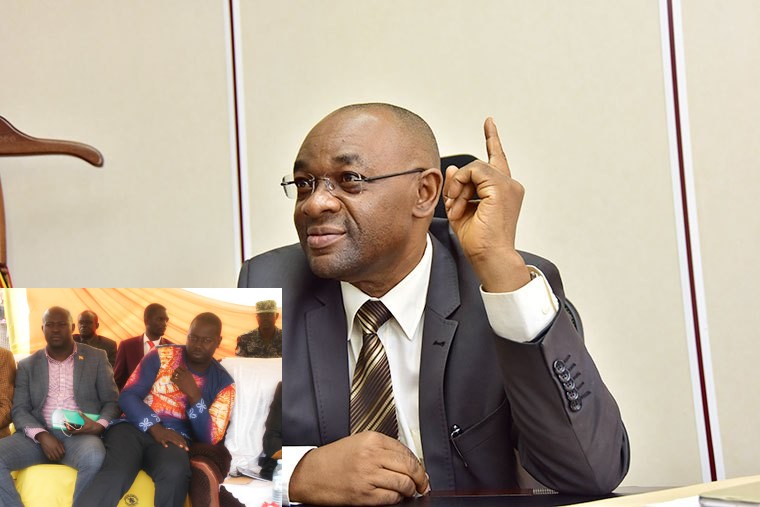
The disclosure was made by the Lamwo District Education Officer (DEO), Bananas Langoya, during a training session on budgeting and financial management for school administrators.
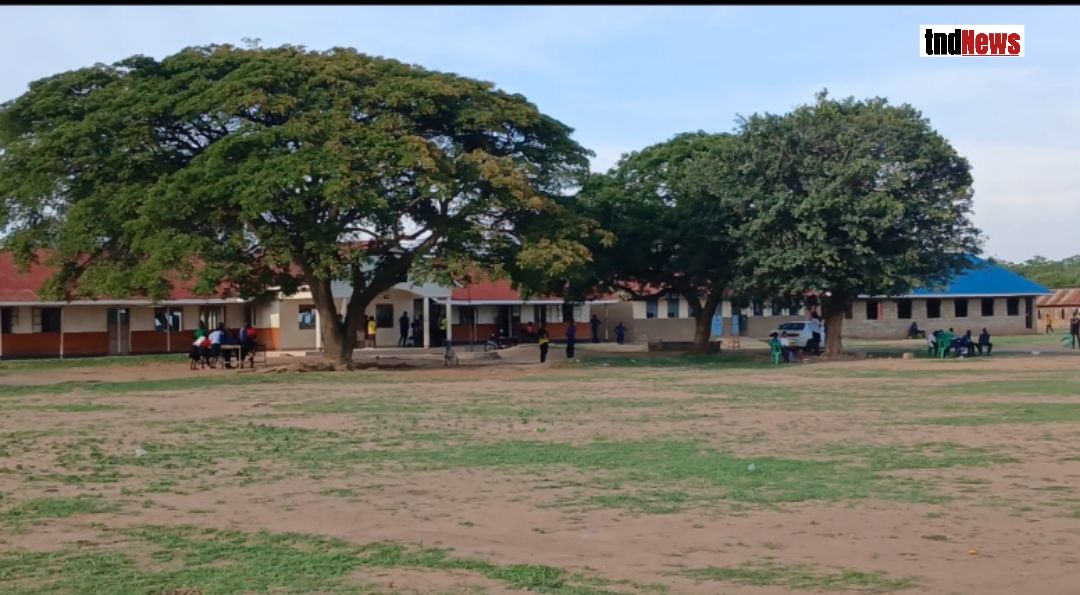
Speaking at a gathering of headteachers and their deputies at Child Care Primary School in Padibe town council, Langoya expressed deep concern over the low enrollment rates and emphasized the urgent need for collective intervention by school leaders and the community at large.
“It is a shared responsibility to ensure that every child of school-going age has access to quality education. As school leaders, you must not only focus on delivering education and promoting sports, but also take the initiative to reach out and bring learners into the school system and more importantly, retain them,” Langoya said.
The training workshop, organized to strengthen financial accountability and planning capacities in schools, took a sobering turn as the DEO highlighted the social and economic risks of having a large segment of children out of school.
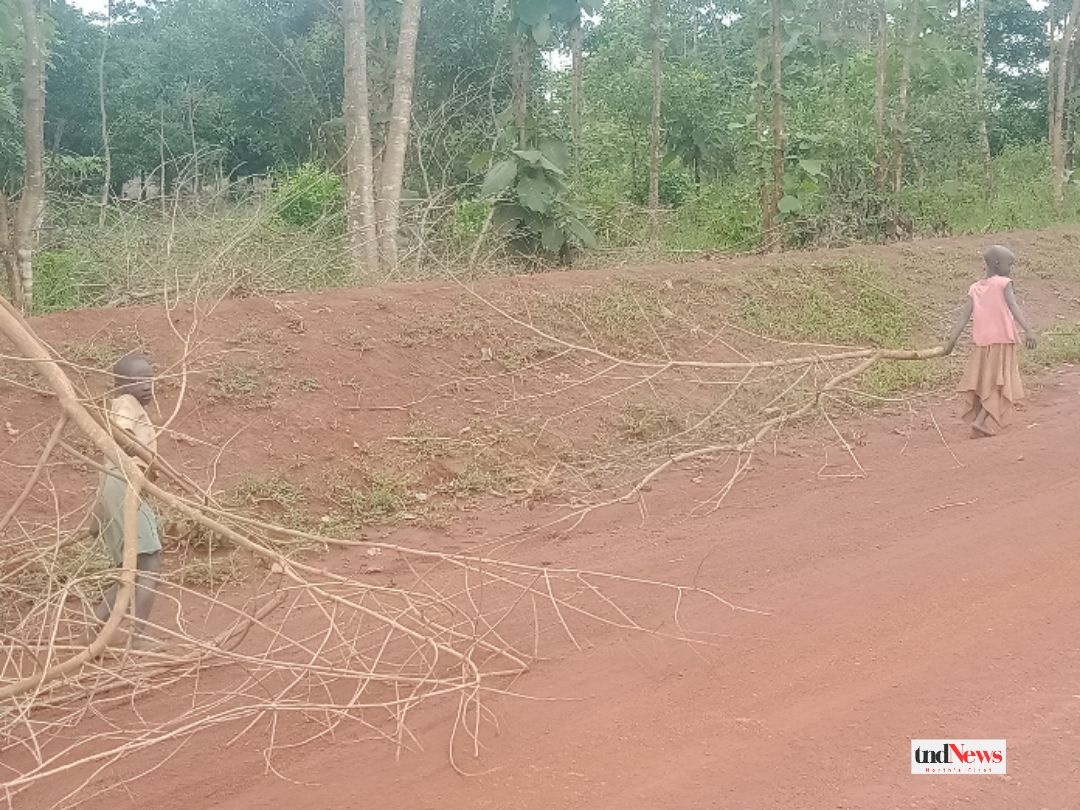
He urged school administrators to go beyond the classroom and implement strategies that address barriers to enrollment such as poverty, child labor, early marriages, and lack of parental awareness.
Langoya called on schools to collaborate with local leaders, parents, and other stakeholders to create inclusive and supportive learning environments. He further encouraged Headteachers to develop community outreach programs aimed at identifying out-of-school children and integrating them into the education system.
With Uganda’s commitment to achieving universal primary education, the situation in Lamwo presents a significant challenge. The district’s education department has pledged to conduct further assessments to understand the root causes of the low enrollment and to design targeted interventions.
The meeting concluded with a renewed call for accountability, innovation, and proactive leadership among school heads to reverse the trend and ensure that no child is left behind in the district’s pursuit of educational development.
Community concerns and realities
Local community members echoed the DEO’s concerns, attributing low enrollment to a range of social and economic factors.
Ajok Mary, a mother of four from Palabek Ogili sub-county, shared her experience: “My husband and I struggle to provide school fees and materials. Sometimes we have to choose between buying food and sending our children to school. Even when UPE is free, the hidden costs are still a burden.”
Meanwhile, Okello Geoffrey, a village elder in Madi Opei, pointed to cultural and historical challenges: “In some communities, early marriage and child labor are still viewed as normal. Education is not yet seen as a priority for all, especially for girls.”
Teachers also weighed in on the matter. Sarah Lanyero, a teacher at Padibe Primary School, said the issue goes beyond the classroom. “Some of our pupils come from families where education is not valued. We need more sensitization campaigns to change attitudes, especially among parents.”
Calls for localized solutions
In response, Langoya urged schools to develop community outreach initiatives, such as home visits and collaboration with local councils, religious institutions, and youth groups. He emphasized that re-enrolling children cannot be achieved by the education department alone.
“This is a shared responsibility. We must mobilize religious leaders, LC1 chairpersons, and even youth role models to act as champions for education,” he said.
The DEO also announced plans to conduct a district-wide mapping exercise to identify out-of-school children and understand the root causes of non-enrollment in specific areas.
A shared vision for progress
Despite the challenges, many in the community remain hopeful. Rev. Emmanuel Oloya, a religious leader in Palabek Kal, pledged his support: “We shall use our pulpits and platforms to speak to parents. Education is the foundation of a better society.”
The Lamwo District Education Department has vowed to strengthen monitoring systems and continue supporting schools to ensure inclusive and equitable access to education for all children.
As Uganda continues its push toward Universal Primary Education, the story of Lamwo serves as a reminder that policy must be paired with grassroots commitment and that every child, no matter their background, deserves a chance to learn.
Discover more from tndNews, Uganda
Subscribe to get the latest posts sent to your email.