By William Jackson CEO MetaverseWP & My Quest To Teach
Inclusion for the Disabled and Handicapped youth and teens, access and accessibility should be a high priority across the beautiful continent.
Metaverse sites are transforming how Africa will connect, communicate, and collaborate, offering vital opportunities for inclusion especially for disabled and handicapped across Africa.
In the context of WordCamp Conferences, which celebrate WordPress and Web Development, the metaverse provides a digital space or an ecosystem where physical limitations no longer hinder participation.
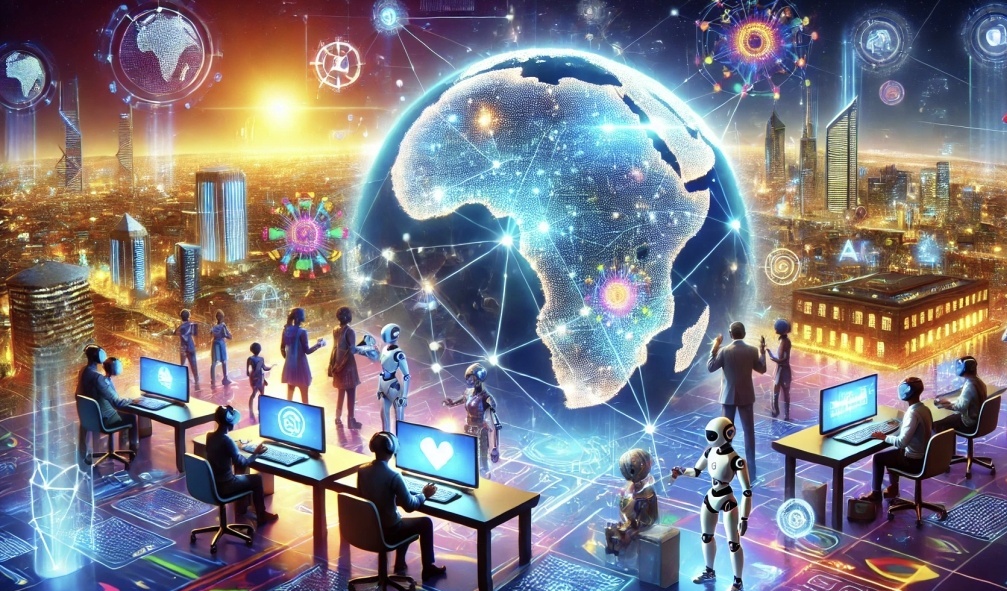
Taking in context the Africa WP Metaverse, the first of it’s kind where all the continents flags are displayed proudly and respectfully.
For many disabled and handicapped people, traveling to conference locations is physically, financially, or logistically challenging. Africa’s limited accessibility infrastructure can make such travel even more difficult.
Metaverse platforms eliminate these barriers by offering immersive, interactive 3D spaces that simulate the feeling of being at a real event without leaving home, hospital or distances away.
Attendees can use customized avatars, including those reflecting disabilities as the tech expands and grows, to interact, present, and network just like their able-bodied peers.
This virtual inclusion empowers disabled individuals to share their expertise, learn new skills, and contribute to discussions on technology, web design, accessibility, and digital inclusion. Areas in which their lived experiences are crucial, their participation strengthens the community by ensuring products and content created within WordPress are more accessible for everyone.
I addition, hosting WordCamp in the metaverse supports language diversity, economic inclusion, and equal opportunity. Stated by CEO Jackson, “the metaverse is helping bridge gaps for people living in remote or underserved areas. It aligns with Africa’s growing digital economy and opens doors to careers in tech for those often marginalized.”
By embracing metaverse technology, African WordCamp Conferences can become models of inclusivity, showing how tech can uplift every voice and ability. This not only enhances community growth but honors the dignity and potential of all people, regardless of their physical condition.
It’s not just innovation it’s justice, empowerment, and progress that continue to help “Africa Rise.” Metaverse building across the African continent providing vital access for the disabled and handicapped especially for youth, teens and young adults.
The rise of metaverse technologies across Africa is opening new doors for people with disabilities and the handicapped by offering inclusive, immersive, and accessible digital environments.
Billions across the continent, physical barriers often limit access to quality education, healthcare, employment, and social engagement. The metaverse virtual spaces where users interact using avatars provides a powerful alternative to traditional physical limitations.
In education, virtual classrooms allow disabled students to participate fully in lessons without the need to travel.
Tools like Spatial.io and ReadyPlayer.me that businesses like My Quest To Teach and MetaverseWP enable students to create avatars that reflect their identity and abilities, empowering them to engage with peers and teachers in real-time.
For those with limited mobility, VR and AR environments offer the chance to explore museums, attend university lectures, and collaborate in group projects.
Employment opportunities are also expanding where teams are focused on project engagement not just in classrooms, and across international and continental lines. The metaverse allows the disabled and handicapped to work remotely in fields such as digital design, virtual real estate, consulting, and customer service. There are also areas in business and commerce, health related areas especially mental health and personal ideologies in self-reflection.
These roles are location independent and skill-focused, removing the stigma and limitations tied to physical environments.
The growth of Africa WP Metaverse shows the continued need for robust digital infrastructures so African can connect, collaborate, cooperate and build digital ecosystems. Entrepreneurs with disabilities can build businesses within virtual platforms, reaching global audiences and clients.
Socially, the metaverse reduces isolation, opening digital doors for people to connect and share experiences, ideas, hopes, dreams and expectations for life, liberty and safety. People with disabilities can attend events, concerts, religious services, and even therapy sessions in accessible, inclusive formats.
These experiences help build confidence, social skills, and emotional wellness. Since 2022, i have created historical environments for WordCamp Conferences across Africa as never before. Youth, teens, young adults and the elderly can now connect and be removed from isolation and invisibility.
In essence, metaverse development in Africa isn’t just about digital innovation it’s about equity. By making virtual spaces inclusive, Africa is creating new opportunities for its disabled communities to thrive, contribute, and lead.
As digital infrastructure expands, it’s vital that accessibility remains a core principle, ensuring no one is left behind in this exciting new digital frontier.
Discover more from tndNews, Uganda
Subscribe to get the latest posts sent to your email.