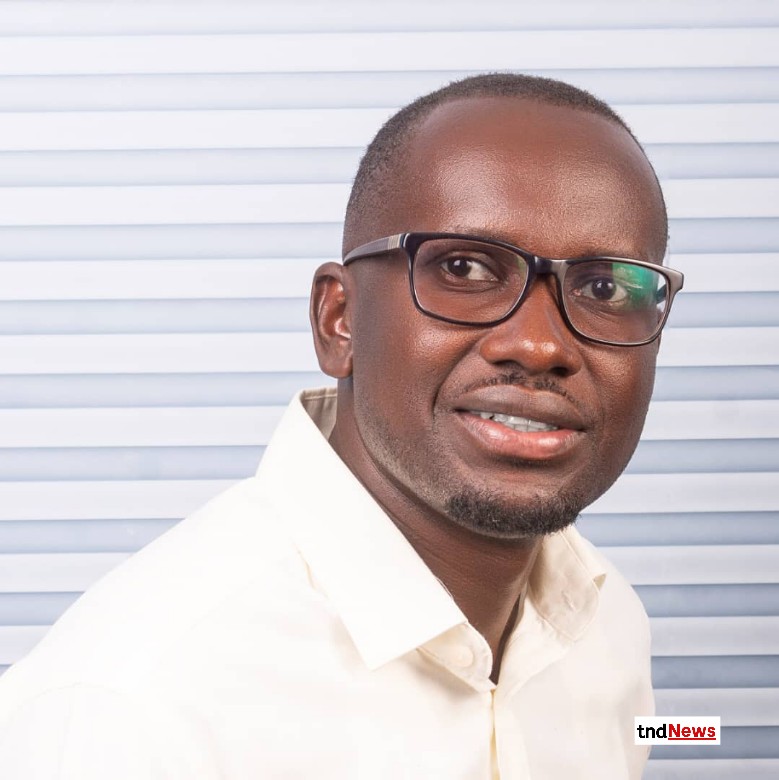
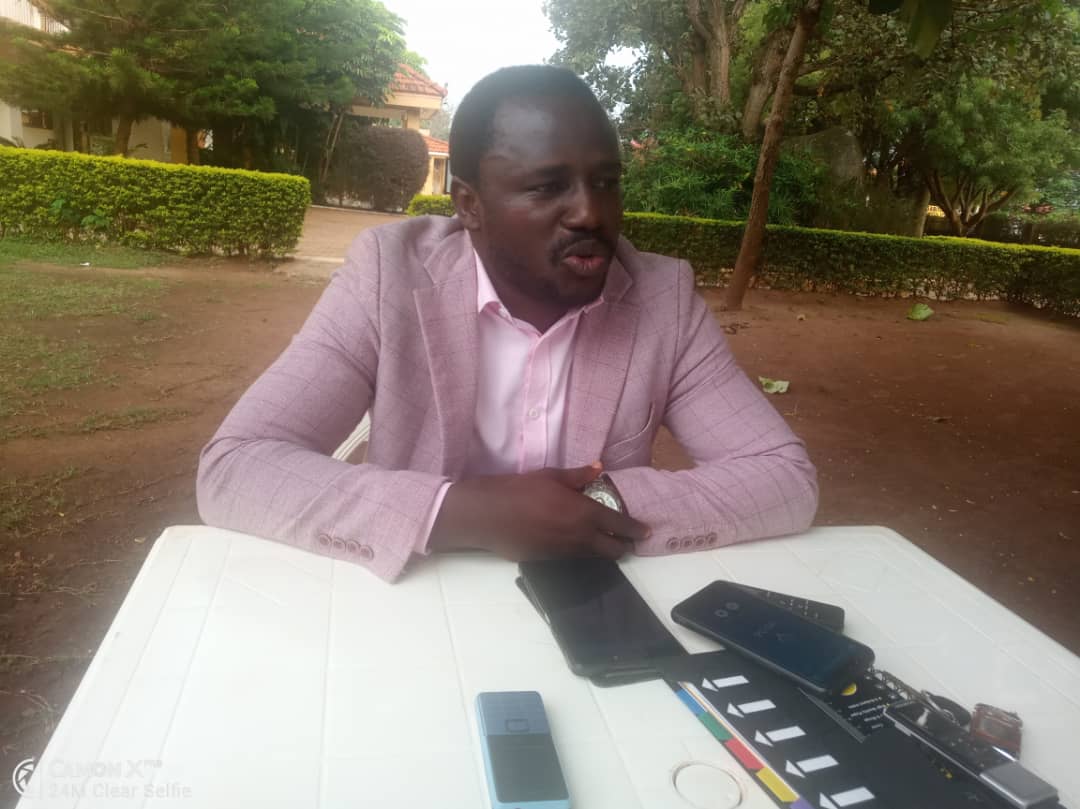
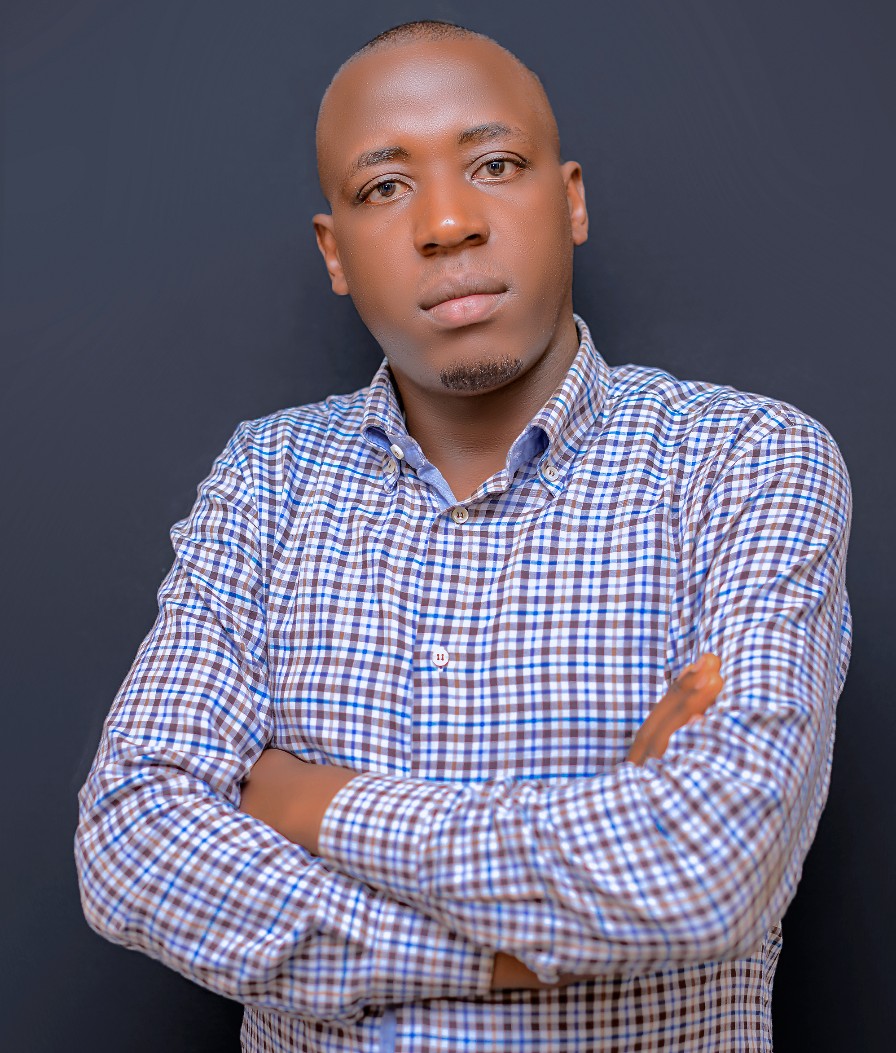
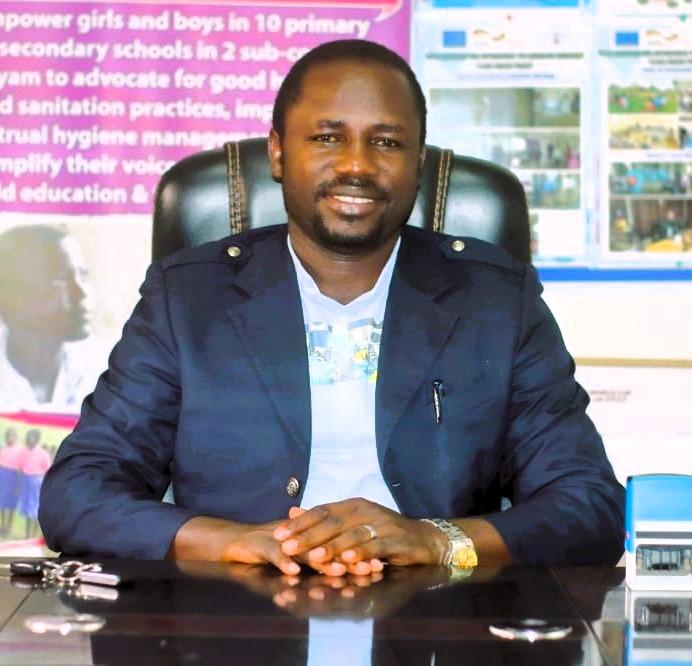
Sam Engola: The forgotten philanthropist and loyal advocate and promoter of NRM in Lango
Sam Engola has walked the hard road, lost countless times, and yet his contributions are solid, undeniable, and felt to the bone.

North's First

Sam Engola has walked the hard road, lost countless times, and yet his contributions are solid, undeniable, and felt to the bone.
My humble understanding is that overloading is a punishable offense under Ugandan traffic laws
“Ethnic Cleansing of the Economy of Uganda: 1986 to the Present” is a very sensitive topic but it is perhaps the first one to try to explore the ethnic dimension of the economy of Uganda today.
The Tutsi, Hehe and Nubians were artificial politically and constitutionally-created indigenous groups of Uganda and, therefore, alien to the biocultural landscape of the country.
Leaders must resist compromise and speak truth to power—graciously but firmly.
There is a need for Busoga leaders to rethink their current conflicts and resolve to reject divide and rule for the sake of Busoga.
Then we cry foul when Parliament turns into a reality show sponsored by our own naivety.
But a gender lens is not about an add-on to an existing template of policy or programme.
Lango cannot afford a future where its brightest minds remain silent while decisions are made that affect us all.
It is a prophecy that found its grim fulfillment in the long, parasitic reign of Mobutu Sese Seko over Zaire—now the Democratic Republic of Congo.
So the reasons why there were broken communities in Somalia were not addressed (the internal conflicts) of the Somali people.
Lango has a duty to restore its legacy of principled leadership, ensuring that ideas, not money, determine the region’s political future.
Kindly write to us to copy and paste this article. Thank you!