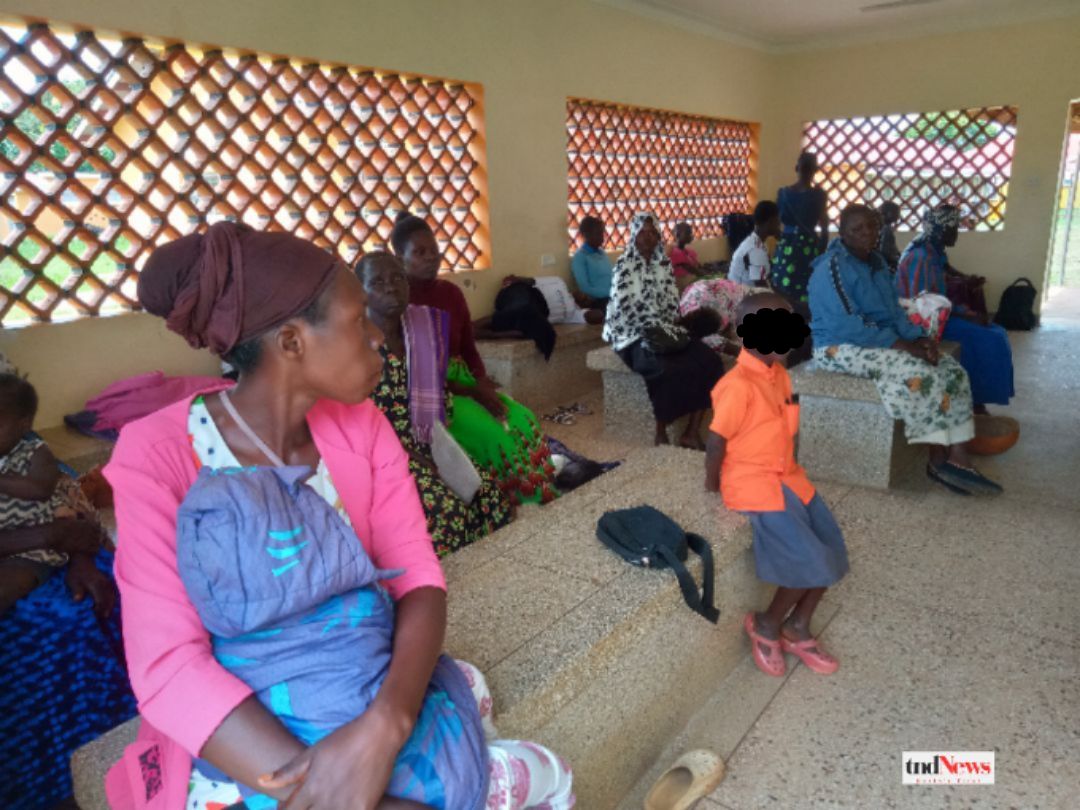
Health workers at Palabek Kal Health Centre IV in Lamwo are raising the alarm over a sharp rise in malaria cases, now accounting for an estimated 80% of all outpatient visits.
The surge has overwhelmed the facility’s resources and sparked fears of a looming public health crisis.
According to Ayella George Oryem, a Laboratory Technician at the facility, the drastic increase is being blamed on stagnant water from ongoing rains, poor sanitation, and limited access to mosquito nets among at-risk households.
“This is worrying,” said Ayella. “Out of every 25 patients, at least 17 test positive for malaria. We are running low on antimalarial drugs, and if this trend continues, it may overwhelm our capacity to respond effectively.”
The high prevalence is hitting children under five and pregnant women, the hardest groups most vulnerable to severe complications and death from malaria.
Adding to the burden is an urgent need for blood to manage severe malaria cases. Health officials now say Lamwo district requires more than 60 units of blood each month, 15-19 a day, a demand far exceeding current supply levels.
“We are struggling not only with diagnostics and treatment but also with managing complications like severe anaemia that need urgent blood transfusion,” a nurse at the centre explained.
Palabek Kal Health Centre IV serves a broad population, including refugees from nearby settlements, making it a pressure point in Lamwo’s public health system. Limited infrastructure and drug stock outs have made it difficult for the facility to respond effectively.
Dr. Patrick Ojok Kijumi, the Senior Medical officer In-Charge of Palabek Kal Health Centre IV has acknowledged the crisis and said they are working on a multi-agency response plan.
Efforts are underway to engage development partners to boost supplies of antimalarial drugs, rapid diagnostic kits, mosquito nets, and blood donation drives.
Meanwhile, health workers and community leaders are urging residents to take personal protective measures. “We are calling on the public to sleep under insecticide-treated nets, drain stagnant water around homes, and seek early treatment,” said a local health official. “But without support, we risk slipping into a full-blown emergency.”
Community members say the crisis is not only overwhelming the health centre but also creating anxiety among families.
Mary Akwanyo, a mother of three from Abigiryang parish, shared her fears; “I’ve brought my child here twice in one week. The fever keeps coming back. Sometimes we wait for hours before being seen. We were told there were no more malaria drugs, and we had to buy them from outside.”
David Opiro, a boda boda rider who ferries patients to the health facility, said many villagers cannot afford private treatment. “People from deep villages like Pangira and Apyeta walk for over 10 kilometers. If there are no drugs, some go back home without treatment. That’s dangerous.”
Rose Aciro, a local village health team (VHT) volunteer, noted that prevention tools like mosquito nets are not reaching the most vulnerable.
“Some households have no nets at all, especially those who just returned from displacement. We’ve reported this, but the supply is not enough.”
The Ministry of Health is yet to issue an official directive, but local leaders are calling for urgent national-level intervention before the situation worsens further.
Discover more from tndNews, Uganda
Subscribe to get the latest posts sent to your email.