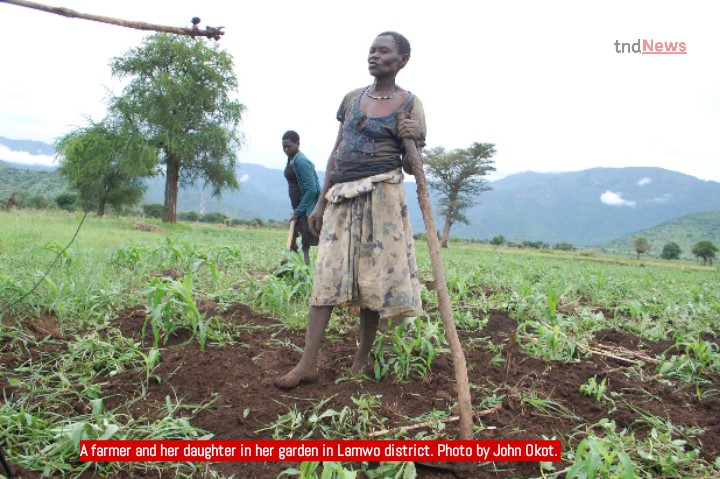
In the heart of Bolnyapo village, Akangi Parish, Ogur sub-county, Lira district, Anna Akello is a beacon of resilience and determination.
As a mother of eight, her life exemplifies the indomitable spirit of women in her community, as she balances the rigors of family life with the demanding work of sand mining—a crucial source of income for her family.
Her story reflects the larger narrative of women who tirelessly work to provide for their families while striving to protect their environment.
Anna starts her day with unwavering resolve, nurturing both her garden and her children before heading to the riverbank for a physically grueling day of sand mining. Armed with a shovel and sheer determination, she spends hours digging and washing sand to meet her family’s economic needs.
This relentless work not only supports her family but instills a robust work ethic in her children, who join her on weekends to learn the trade. However, the challenges of unpredictable weather and market fluctuations constantly threaten her livelihood.

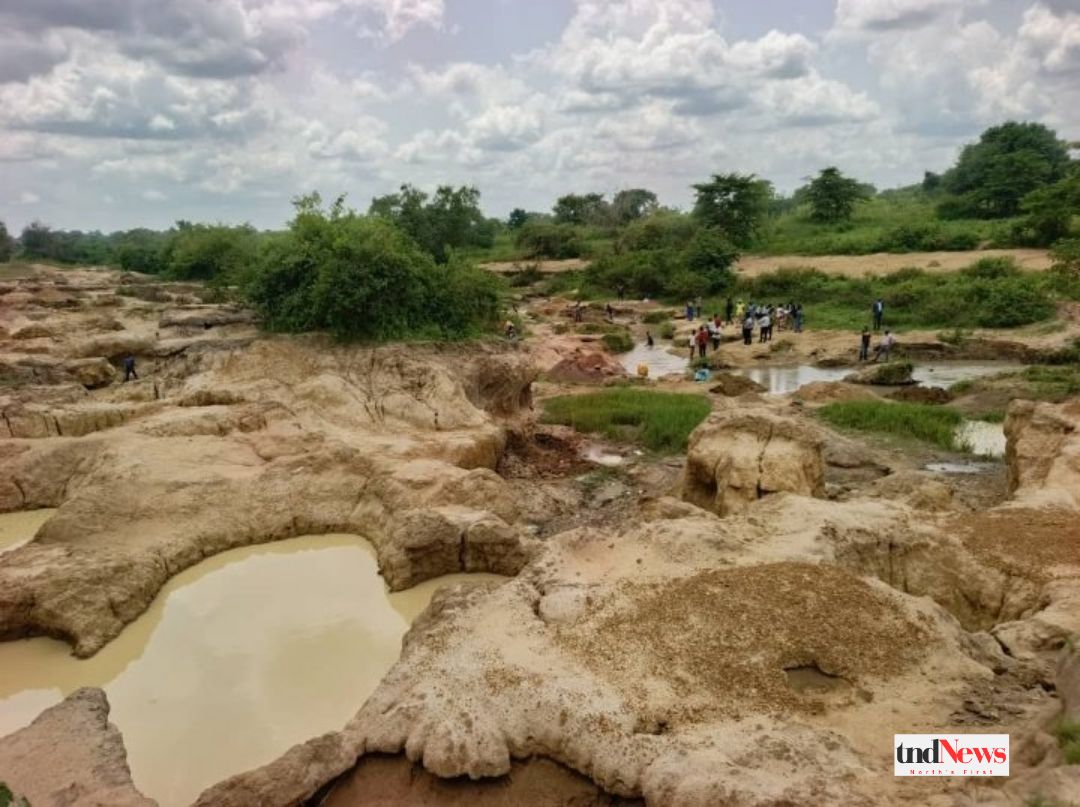
Women like Anna are at the forefront of a critical movement to restore the Aswa River catchment area. United in their purpose, they advocate for sustainable projects that offer alternative livelihoods while protecting their precious environment.
At a recent community gathering, Imat Harriet Akullo voiced the hardships faced by local women due to sand mining, highlighting health risks such as back pain and infections from contaminated water. Poverty forces these women into mining despite its adverse effects, and the income generated often remains inadequate.
Mrs. Lillian Okwir emphasized the urgent need for support to shift away from environmentally destructive activities.
Both Akullo and Okwir envision sustainable initiatives like irrigation systems, pig rearing, poultry keeping, and trades that could empower their community and help restore the biodiversity of the Aswa River. This vision is echoed by Mr. Obua Paulino, the Chairperson of Local Council One, who lamented the environmental degradation caused by sand mining.
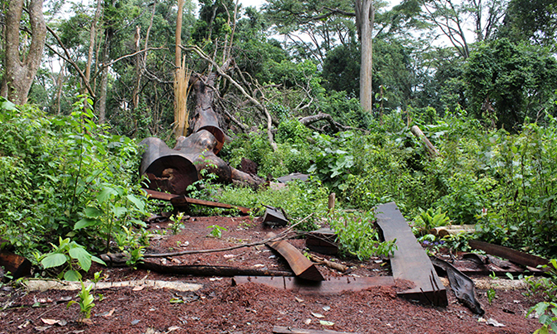
The river, once teeming with fish and vibrant papyrus, now suffers greatly, he said.
The local market prices for sand, ranging between 50,000 to 200,000 Ugandan shillings per trip, serve immediate needs but bear unsustainable environmental costs. The women of the Aswa River catchment area are in a pivotal struggle—not only for their survival but for the restoration of their environmental heritage.
By investing in sustainable projects, the government and well-wishers have the chance to empower these women, allowing them to nurture their land and revitalize the ecosystems of the Aswa River.
Ms. BettyAtoke, Community Development Officer for Ogur sub-county, revealed significant gender dynamics in local mining sites, noting more women than men engaged in mining activities.
She pointed out that government programs like the Uganda Women Entrepreneurship Program (UWEP) have potential but fall short in addressing these women’s specific challenges.
Rising domestic issues linked to mining exacerbate financial strains, making it harder for mothers to escape poverty.
Local resident Ogwal Isaac shared his concerns over the long-term repercussions of sand mining. He highlighted tragic accidents, increased malaria cases, and exacerbated domestic violence due to economic strain.
Ogwal welcomes discussions on river restoration, advocating for alternative projects to support locals and allow them to move away from sand mining.
Environmental Officer Walter Ocen underscored the detrimental effects of sand mining, advocating for alternatives like bee-keeping and fish farming to restore and protect the ecosystem.
By embracing these initiatives, the community can contribute to the long-term health of the Aswa River while ensuring sustainable livelihoods.
The call for immediate action to implement alternative livelihood projects represents not just a plea for survival, but a vision for a sustainable future for the River Aswa community. It is time for the government and supporters to step up, empowering women like Anna to care for their families and their environment, ensuring the revitalization of the Aswa River’s vital ecosystems.

As of 2024, the Ministry of Health possesses extensive information regarding the diseases associated with sand mining.
This information has been gathered through years of research, field studies, and data analysis, allowing the Ministry to identify and address health risks that sand mining poses to workers and nearby communities:
Silicosis: One of the most prevalent occupational diseases linked to sand mining, silicosis is caused by inhaling fine silica dust. Silica particles can cause inflammation and scarring in the lungs, leading to severe respiratory issues.
The Ministry of Health reports that long-term exposure leads to chronic health problems and can be fatal if not properly managed.
Chronic Obstructive Pulmonary Disease (COPD): Prolonged inhalation of dust generated from sand mining operations can contribute to the development of COPD. This progressive disease obstructs airflow and results in breathing difficulties, coughing, and other serious respiratory symptoms.
Tuberculosis (TB): There is a noted correlation between silicosis and an increased risk of TB. The compromised respiratory system due to silicosis makes individuals more susceptible to contracting TB, a disease caused by the bacteria Mycobacterium tuberculosis.
Lung Cancer: The Ministry highlights that there is sufficient evidence linking crystalline silica exposure to an elevated risk of lung cancer. Workers involved in sand mining without adequate protective gear are particularly vulnerable.
Cardiovascular Diseases: Recent studies have also suggested that exposure to particulate matter from sand mining can lead to cardiovascular diseases, including hypertension and heart attacks. The exact mechanisms are still under investigation, but the current consensus points to systemic inflammation as a significant factor.
Skin Conditions: Continuous contact with sand and contaminants can lead to various skin conditions, including dermatitis and prolonged dermal toxicity. The Ministry advises the use of protective clothing to mitigate these risks.
Hearing Loss: The noise generated by heavy machinery used in sand mining operations can lead to noise-induced hearing loss (NIHL). The Ministry stresses the importance of using ear protection to prevent irreversible damage to hearing.
Anna Acan, Social Development Officer said the Ministry of Water and Environment, through its Directorate of Water Resources Management (DWRM) and the Upper Nile Water Management is actively engaging women in environmental restoration in the Aswa River catchment.
Key initiatives include the “Enhancing Resilience of Communities to Climate Change through Catchment Based Integrated Management of Water and Related Resources in Uganda (EURECCCA)” and the Integrated Water Management Development Project (IWMDP).
These projects have focused on empowering women’s groups by providing training and resources to produce and market improved cook stoves.
This serves a dual purpose: to reduce deforestation rates in the catchment and to increase household income.
Additionally, the EURECCCA project established six Water and Environment Cooperative Societies, with women making up 50% of the beneficiaries, to support alternative income-generating activities and promote sustainable conservation practices.
Wetlands play a crucial role in the Lira district, primarily by providing essential water resources for the local community.
These ecosystems not only support biodiversity but also contribute to the regulation of water quality and quantity.

The presence of wetlands helps to recharge groundwater supplies, ensuring a sustainable water source for agricultural and domestic use. Additionally, they serve as natural buffers against flooding, thereby protecting the surrounding areas from potential water-related disasters.
Overall, the significance of wetlands in Lira district extends beyond mere water provision, encompassing environmental, economic, and social benefits.
However, according to Join for Water, sand mining isn’t the root cause of environmental problems.
There’s are underlying social economic factors that lead to sand mining like, neglect of social responsibility by the husbands and women have to work hard to looked after their families, early marriages and limited land for agriculture.
Join for Water team added that what has to be done is provision of alternative livelihoods for the affected community members, environmental sensitization and demarcation and restoration of the area through land filling
Sand mining isn’t the root cause of environmental problems, experts say. There are underlying socio-economic factors that lead to sand mining like, neglect of social responsibility by the husbands, leaving women to fend for their families, early marriages and limited land for agriculture.
Experts recommended sensitization and restoration of the area through land filling.
Discover more from tndNews, Uganda
Subscribe to get the latest posts sent to your email.